World’s largest battery storage scheme will go ahead in Manchester
24 July 2023
24 July 2023
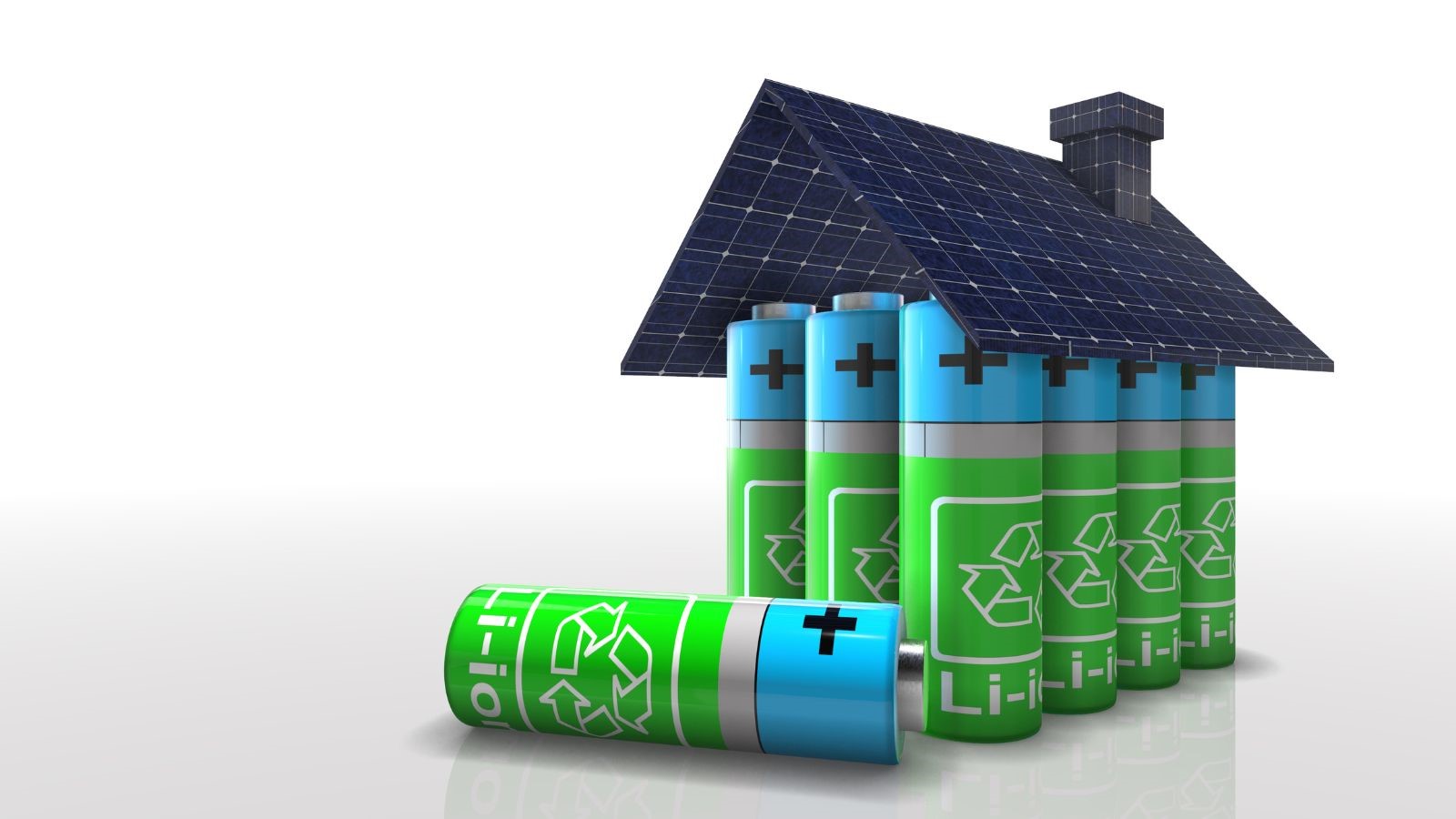
Trafford Low Carbon Energy Park will be the home of a new battery energy storage scheme (BESS) valued at £750m and 1GW.
Carlton Power is aiming to have the project in full operation in 2025. The BESS will have a production output of 2080MWh and is designed to strengthen energy security across the North West.
A BESS is an energy storage system that uses batteries to store and distribute energy. It's primarily used for grid connection, to secure energy supply chains, and it partners well with green technologies such as EVs and solar power.
A BESS tends to lower energy costs and offers flexibility for electricity systems such as wind and solar farms, storing surplus energy for use at a later date.
“The investment in the Trafford Low Carbon Energy Park over the next 2-5 years demonstrates Carlton’s long-term vision and commitment to re-energising the Trafford site,” says Keith Clarke, founder of Carlton Energy.
The project will also run alongside a 200MW green hydrogen scheme, launched by Carlton Power in 2021, and the world’s first commercial liquid air storage system, valued at £250m and 250MWh.
Keith Clarke explains the benefits of the project, which will “deliver significant economic benefits to the Greater Manchester region.” It is hoped that the BESS will heighten the reputation of Trafford in climate security and the clean energy transition, provide greater employment opportunities within the region, secure energy supply and flexibility, and encourage further investment into green projects.

14 July 2025
Brett Mendell, Managing Director of Manchester-based textile provider Thomas Kneale, has recently been awarded an MBE for Sustainability and Leadership in recognition of his and the organisation’s commitment to environmental development, carbon reduction and advocacy work
05 December 2024
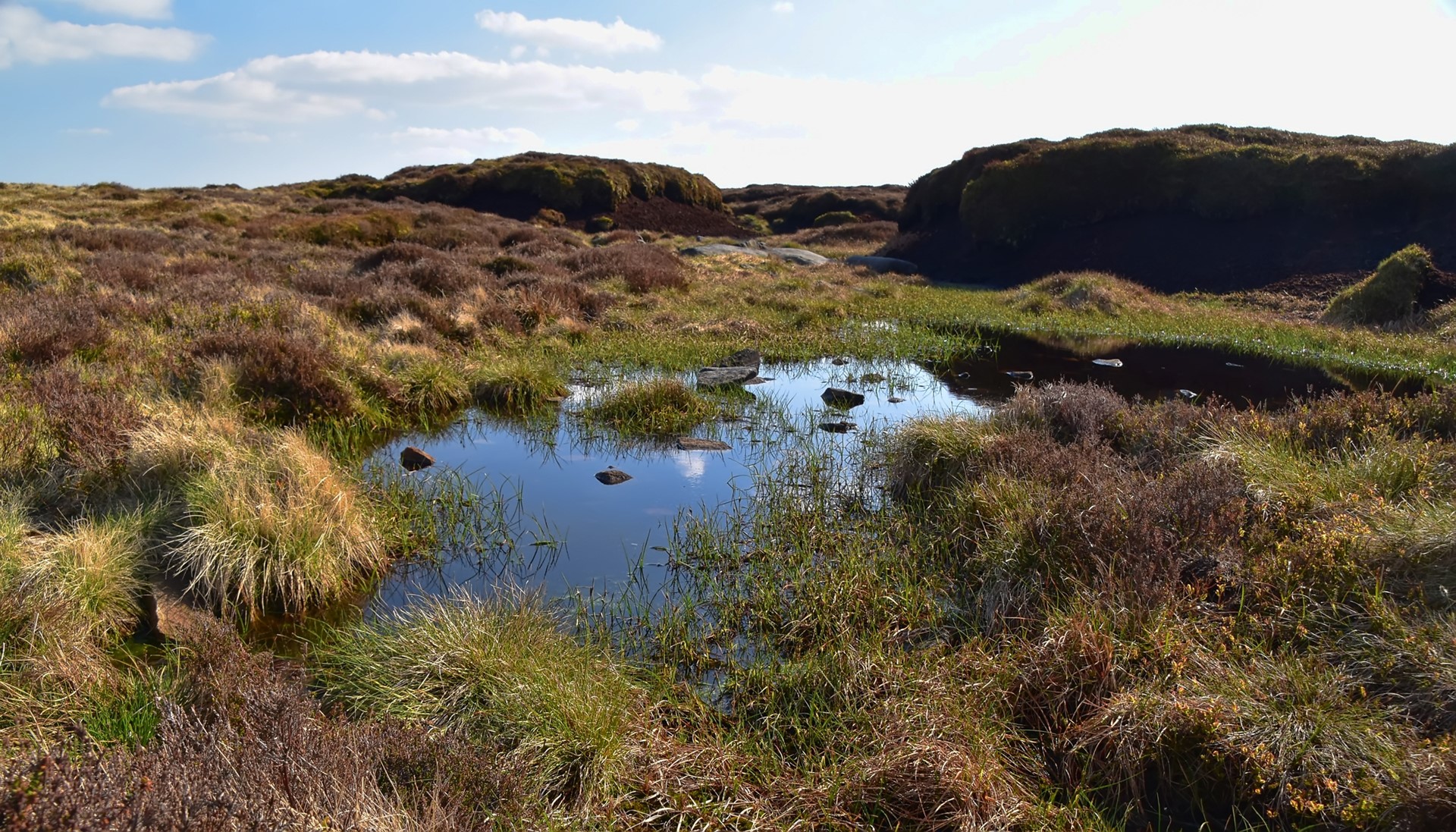
The UK is off target to restore or sustainably manage two million hectares of peatland by 2040, an essential tool of biological carbon capture.
30 October 2024
Labour’s Autumn budget was delivered to a raucous room, outlining £40bn in tax increases and far-reaching investment to drive net zero forward.
Share