Surges in wind and solar promise green future energy
10 April 2023
10 April 2023
A surge in wind and solar energy coupled with behavioural changes amid the global energy crisis are curbing emissions from fossil fuels and creating reliable clean energy grids. As global renewable energy capacity continues to increase, our reliance on fossil fuels lessens and net zero targets seem increasingly attainable.
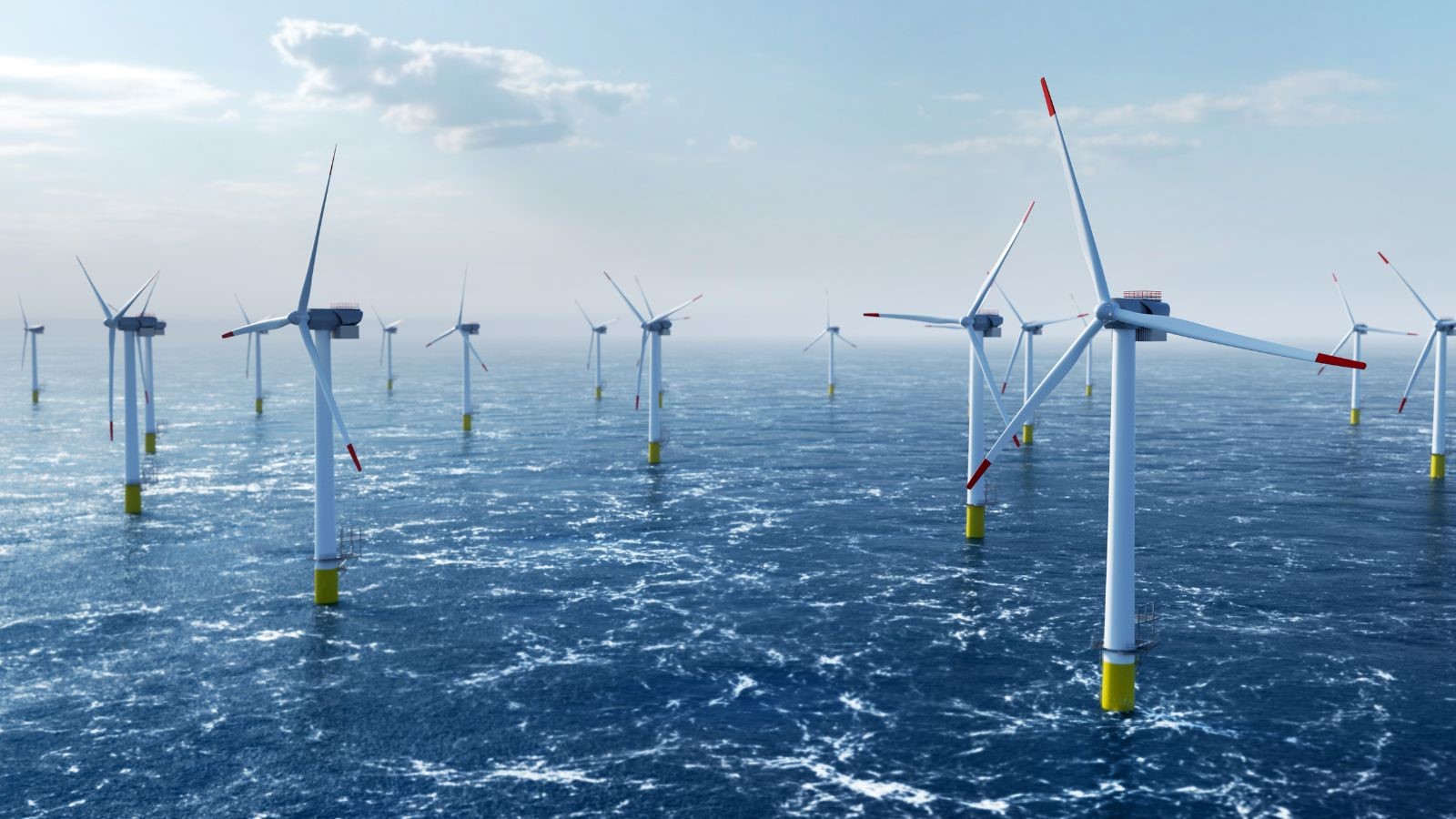
A key contributor to the clean energy surge is the global expansion of wind energy. Current estimates anticipate the global wind energy market will surpass the 1TW milestone for installed capacity by the end of 2023. A significant factor driving this is the rebound of China’s wind power market as developers continue to nearly double annual wind capacity year-on-year as demand in China surges.
China alone has added an average of 80GW of new wind capacity over the 10-year outlook, accounting for 50 per cent of global new capacity. Aside from China, global wind capacity added 44GW in 2022 which equates to a 4 per cent decrease year-on-year, largely owing to inflation and supply chain disruption worldwide.
Wind and solar produced 12 per cent of global electricity in 2022, up from 10 per cent in 2021, with over sixty countries now generating over 10 per cent of their electricity from wind and solar as all clean electricity sources, covering renewables and nuclear, hit 39 per cent of global electricity capacity in 2022.
Wind power doesn’t look set to halt either. IberBlue has recently announced plans to add 1.96GW of floating wind off the North-Atlantic coast of Spain and Portugal, estimating necessary investment of $4.36bn to build and maintain the wind farms which will contain 29 wind turbines of 18MW each, occupying an area of 530km2 . Meanwhile, the UK continues to hold the status of world-leaders in offshore wind power, with ambitious targets to increase the UK’s offshore wind capacity fivefold to 50GW by 2030.
As the world’s renewable energy capacity increases, reliance on fossil fuels will likely decline. 2023 could represent the first ever annual drop outside of a global recession or pandemic in the use of fossil fuels such as coal, oil and gas to generate electricity.
Fossil fuels are the single biggest contributor to global warming and phasing out their use is essential to avoid the devastating consequences of climate change. However, recent global economic crises may be a catalyst for such change. A KPMG survey found that households are adapting to low-carbon technologies in an attempt to soften the impact of soaring energy bills.
The survey reports 92 per cent of the 2,800 UK billpayers surveyed made changes to their energy use over the winter, with 69 per cent claiming bills were higher than expected and just over half (56 per cent) saying they purchased a gadget to help reduce energy consumption.
Overall, the survey implies that reducing energy use was the most popular approach to curbing excessive bills. However, when asked about the measures they took to reduce energy use over the winter (October 2022 – February 2023), 28 per cent of billpayers switched to LED lighting and 19 per cent opted for better insulation.
As households act more efficiently when it comes to energy use and global renewable energy capacity continues to increase, reliance on fossil fuels seems set to decline as we approach the net zero deadline.

14 July 2025
Brett Mendell, Managing Director of Manchester-based textile provider Thomas Kneale, has recently been awarded an MBE for Sustainability and Leadership in recognition of his and the organisation’s commitment to environmental development, carbon reduction and advocacy work

05 December 2024
The UK is off target to restore or sustainably manage two million hectares of peatland by 2040, an essential tool of biological carbon capture.

30 October 2024
Labour’s Autumn budget was delivered to a raucous room, outlining £40bn in tax increases and far-reaching investment to drive net zero forward.
Share